
The Science Explainers
Grinnellians help interpret research, data, and science for audiences near and far
Anne Stein ’84
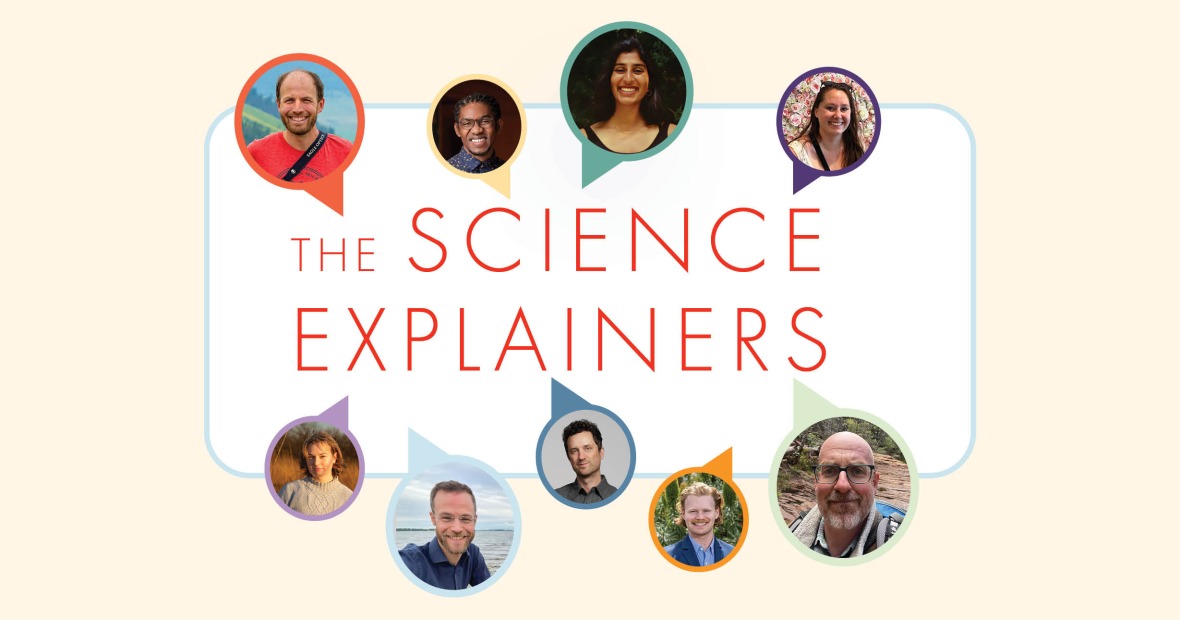
A growing number of Grinnell alums are applying their love of science to careers as science communicators. Their efforts to accurately convey complex topics and highlight why research matters is especially critical now, as the value of scientific research is under heightened scrutiny.
From radio and print reporters to experts on data, philanthropy, and media relations, most of these Grinnellians have advanced degrees in science writing and/or the sciences.
Meet the alums who agreed to share their thoughts on what they love about their jobs, why their work is important, the impact of the current policy climate on their work, and how Grinnell helped prepare them for what they do.
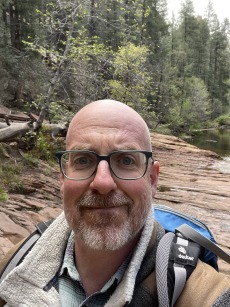
Geoff Brumfiel ’00
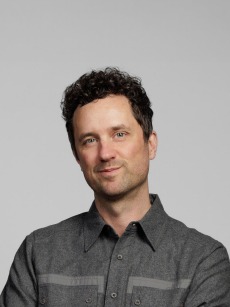
Aaron Scott ’03
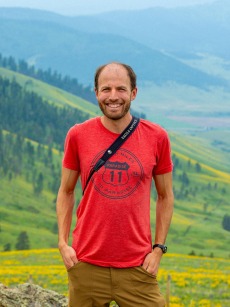
Henry Reich ’09
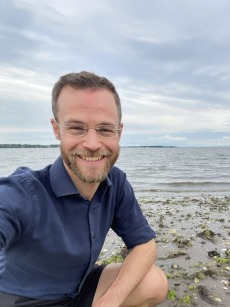
Alex Reich ’11
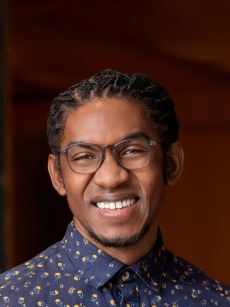
Quinton Banks ’13
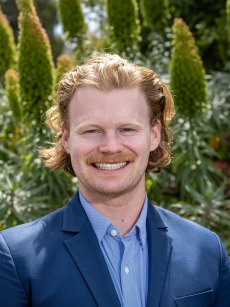
Jonathan Gilmour ’19
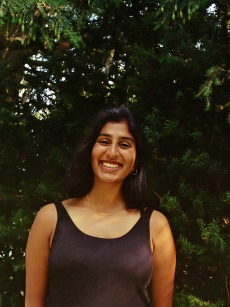
Vishva Nalamalapu ’20
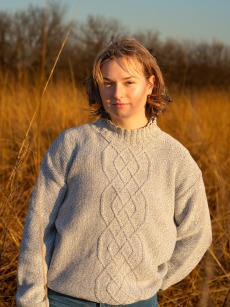
Anika Jane Beamer ’22
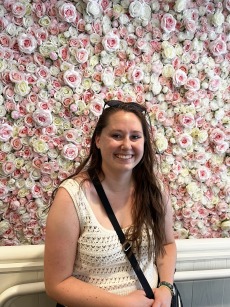
Emma Stefanacci ’22
What do you love about your job?
“Every day I learn something new. To me, that’s the heart of science journalism.”
— Aaron Scott
“I really enjoy being able to communicate the importance of what’s happening in science to someone who doesn’t have science training. And I enjoy being in a position where I can consistently learn about something new.”
— Quinton Banks
“I get to be curious and follow that curiosity. And I very much enjoy collaborating with other people. We’re striving to make up new ways of explaining science that are more accurate, more understandable, and evocative — it’s explanatory innovation.”
— Henry Reich
“I love that I get to be a constant student. My job is to learn as much as possible about a topic, then distill it and make it interesting to others. Every day is different.”
— Anika Jane Beamer
“I’ve been drawn to what feels like the most important problems of the day. I feel fortunate to put my energy into working with other folks to address some of the biggest problems we are facing as a society.”
— Jonathan Gilmour
“The different people I get to talk to, going to interesting places, dealing with the issues of the day, and thinking about them critically. I’ve loved this job since I figured out it existed.”
— Geoff Brumfiel
Why is your work important?
“Truth and honest skepticism are how humanity makes progress. There’s also joy in understanding complex and tricky things.”
— Henry Reich
“The climate crisis affects everyone, but we’re in such a polarized landscape. It's important to draw as many communities as possible into the conversation.”
— Anika Jane Beamer
“A lot of people are getting more of their information from social media than from established news sources. I think information will become less reliable, in part because of AI and in part because of people being paid to promote things. There has to be a return to official, independent journalism if you want to know what’s going on.”
— Geoff Brumfiel
“Philanthropy currently contributes about 20% of funding to biomedical research, and a lot of people providing that funding do not have scientific training. We serve as liaisons to help donors better understand the fields they are interested in and help them invest in or make gifts that will be beneficial to the biomedical space.”
— Quinton Banks
“I help move scientific research toward action to address climate change, restore ecosystems, and ensure communities and society thrive. That takes collaborating across Yale and with partners to create new pathways to fund, implement, and communicate about impact-oriented work.”
— Alex Reich
“People need better data to make informed decisions. In 2020, I volunteered at The COVID Tracking Project at The Atlantic, and we became the go-to source for pandemic data because the CDC dropped the ball. I have brought that same spirit to all my work since, working to provide the public with the best data possible — from data center water use to impacts of policy change to federal environmental data targeted by this administration.”
— Jonathan Gilmour
“Science communication has to be engaging and accessible; that allows people to learn more and helps them advocate for better policies in health and the environment. If the public knows the science, they’ll be more compelled to advocate for policies that improve their lives.”
— Vishva Nalamalapu
“Science is awesome and it’s meant to benefit the world. So many people who don’t actively interact with it don’t know or understand it. I want to expose science to people who aren’t doing it. Also, so much of science in the U.S. is publicly funded, so we need to communicate about the work that’s coming from public funds.”
— Emma Stefanacci
“I most delight in sharing stories that help people understand their world better and encounter every day with a little more curiosity and wonder. But also important is reporting on the negative ways humans are affecting the world and what we can do to slow down climate change and restore environmental degradation before things get even worse.”
— Aaron Scott
How has the current policy climate impacted science communication?
“We’ve had multiple stories fall apart because federal agencies say that scientists can’t talk to us. There’s a lot of fear within agencies doing science research because the administration is antagonistic.”
— Aaron Scott
“Increasingly, there are data gaps, and in some cases, that’s deliberate. I started impact tracking work in early 2025, in response to DOGE and unprecedented changes in the federal government. As the Trump administration is doing its best to push an anti-science, anti-climate, vaccine-skeptical agenda (among other issues), it is more and more important for us to find ways to communicate clearly and compellingly in a fractured and polluted information environment.”
— Jonathan Gilmour
“Especially since the current administration cut a lot of research funding, that has also cut science communication and science. There’s less to write about, and people are more cautious about what they say because they’re scared about funding. It creates a less open and more risk-averse science community.”
— Vishva Nalamalapu
“There’s less grant money available for science communication, and we’ve encountered the issue where scientists are essentially under gag orders if they’ve received federal funding. Some people aren’t willing, able, or allowed to talk, and that’s concerning and problematic.”
— Henry Reich
“We live in a time of fractured realities. People are getting their information from a lot of different sources, often reinforcing their worldviews, so it makes it very hard to reach a consensus on what’s going on. And there are communities on so many different sides of the issues — COVID vaccines and climate change, for example — that get so angry. It’s spicy out there!”
— Geoff Brumfiel
“Many scientific issues, along with science itself, have been polarized. That makes science communication more challenging. But the issues aren’t going away, so we need to keep communicating, as well as defending research, evidence-based decision-making, and many fundamental freedoms that are also being eroded.”
— Alex Reich
“We’re seeing a lot more interest from philanthropists who want to step in and donate to science. On the other hand, keeping on top of new policy changes and any kind of misinformation that’s being put out is very challenging.”
— Quinton Banks
“It’s really easy to anger people right now. I struggle with the fact that my work will spark discontentment as much as it sparks conversation. I see my work as contributing to the greater good, but not everyone’s happy with it.”
— Anika Jane Beamer
How did Grinnell prepare you for your career?
“A liberal arts education that’s science-focused was the perfect preparation. It made me scientifically literate, taught me how to learn and ask good questions of experts, and also taught me how to package that information and find new ways to share it and think about it. It’s critical thinking at work.” Biology and Spanish double major.
— Anika Jane Beamer
“Grinnell prepared me to have a good understanding of the process of scientific research. That’s been really helpful in writing about any type of research and reading science papers critically.” Biology major.
— Vishva Nalamalapu
“I’ve spent my career talking to the best physicists on the planet, and that is thanks to Grinnell. It was only because I was at a small liberal arts school that I could go to a physics professor every week and get support throughout my training. And the English department was top-notch and really taught students how to write.” Physics and English double major.
— Geoff Brumfiel
“Grinnell brought people from all over the world into a small space, and that got me comfortable speaking with all types of people. Academically, you’re expected to problem-solve and figure things out for yourself, which is what we do every day. You have to be okay with making mistakes and iterating on them.” Psychology major with a neuroscience concentration.
— Quinton Banks
“At Grinnell, I learned how to make connections between things that may not seem connected, and I was supported to pursue a broad range of interests. These experiences taught me how to engage with, and communicate about, many complex topics at once, which is what I do in my job today; the program I manage funds dozens of wildly different projects. But more importantly, Grinnell led me to prioritize a life oriented toward social impact and the common good.” Biology major.
— Alex Reich
“I entered Grinnell thinking I wanted to do astrophysics, then I realized that doing scientific research isn’t what got me excited. It was talking to people about what I was learning that I loved. Grinnell allowed me to explore other options, be curious, and see the network that connects different ideas. The breadth and interdisciplinary nature help me connect science research to the people it’s meant to benefit.” Math major with a linguistics concentration.
— Emma Stefanacci
“I got to engage in science and did lots of creative writing. In retrospect, the most important thing for my career and life was my first year tutorial with Elizabeth Dobbs. She taught me how to write in a way that I still teach my employees. Grinnell allowed me to pursue music and writing and science and gave me the freedom to pursue film/video-making. Those are all day-to-day parts of my job.” Math and physics double major.
— Henry Reich
“I came to Grinnell with an interest in and commitment to social justice, and my classes, conversations with fellow students, and the speaker series all helped me develop that. My computer science degree helped me with the data and coding skills I’ve relied on to do this work.” Computer science major.
— Jonathan Gilmour
“Grinnell taught me to embrace the world with curiosity and a critical gaze — to seek out new things and think deeply and critically about them — across a wide range of topics.” Religious studies major.
— Aaron Scott
Trusted Sources for Science News
While science news today can resemble a Wild West of mis- and disinformation, there is still incredible journalism out there, say our science communication experts. Depending on your areas of interest, they recommend these sources:
- GRIST Climate and Environmental news
- High Country News
- Inside Climate News
- Nature
- New Scientist
- NY Times Science Times
- Ologies podcasts
- Radiolab (WNYC podcast)
- Science News
- Science Weekly (The Guardian podcast)
- Sciworthy.com by Blue Marble Space
- Short Wave (NPR podcast)
- STAT News
Originally published in the Summer 2026 issue of The Grinnell Magazine.