
An Education in Civic Engagement
Student participation in the Rosenfield Program offers opportunities to learn, explore ideas.
Jackie Hartling Stolze
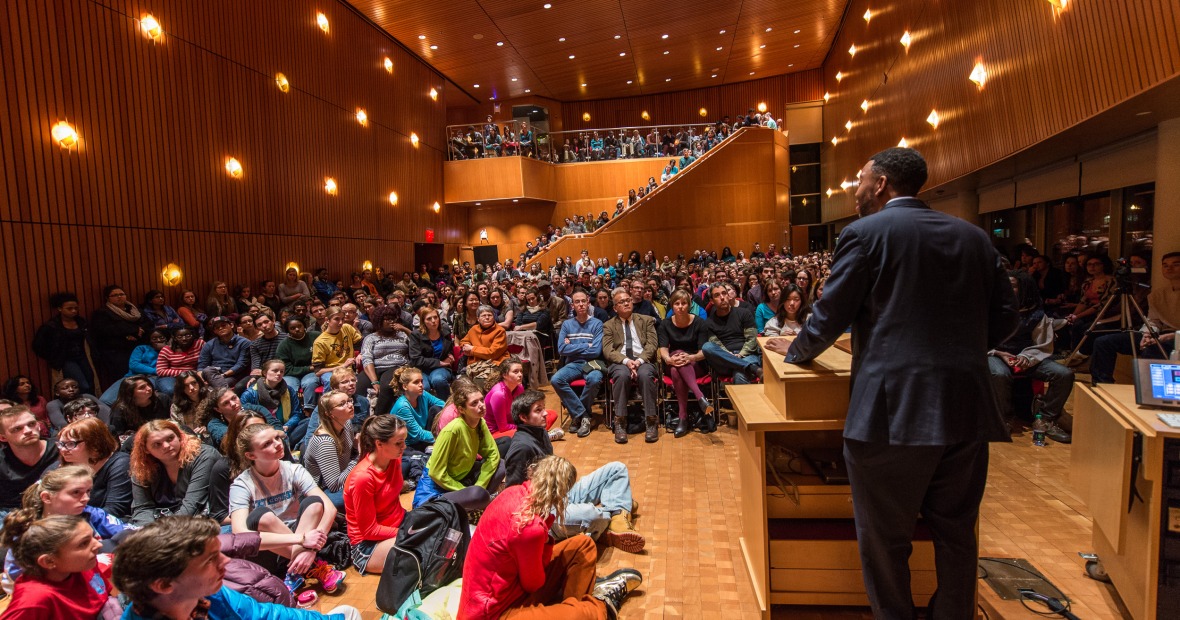
When Professor of History Benjamin Nathans from the University of Pennsylvania spoke on campus in October 2025, more than 100 Grinnellians crowded into the multipurpose room in the Humanities and Social Studies Center to hear his talk.
Nathans had won the Pulitzer Prize earlier in the year for his book, To the Success of Our Hopeless Cause: The Many Lives of the Soviet Dissident Movement, which told the story of the human rights movement in the USSR. He came to campus at the invitation of the Rosenfield Program in Public Affairs, International Relations, and Human Rights and gave a riveting lecture about the activists who opposed Soviet authoritarianism.
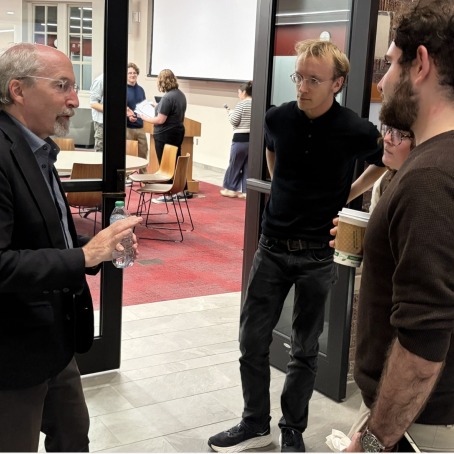
An hour and 45 minutes after the talk, students were still lined up to ask him questions. The conversation didn’t just take place at the lecture: three students also got to have dinner with Nathans. Their wide-ranging conversation touched on everything from the history of the Soviet Union to admission to history graduate school to contemporary American politics.
“It’s really exciting that our students didn’t just get the chance to hear a Pulitzer Prize-winning writer speak, but also got to meet with him informally,” says Professor of History Edward Cohn, who is the Rosenfield Program’s director. Cohn says that the event was just one example of how student members of the Rosenfield Committee interact with the writers, world leaders, and other guests that the program brings to campus.
Looking Beyond Campus
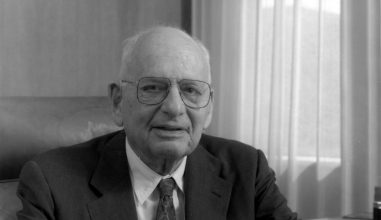
Established in 1979, the Rosenfield Program prepares students for a life of civic engagement by connecting the Grinnell community to the social and political issues facing the world beyond campus. It was named in honor of longtime trustee Joe Rosenfield 1925, one of the College’s most generous donors.
Cohn says the program focuses on three goals: bringing influential speakers to campus (for example, Madeline Albright, Bob Dole, Ta-Nehisi Coates, and Jane Mayer); funding 5–13 student internships related to the program’s mission each year (at organizations such as U.S. Department of State, the Pittsburgh Post-Gazette, the offices of Senator John McCain and Senator Amy Klobuchar, and the Romanian mission to the United Nations); and organizing an annual study tour around a theme related to the program’s core goals.
L.F. Parker Professor of History Sarah Purcell ’92 created the Rosenfield study tours when she was director of the program from 2008–17; she was also a member of the Rosenfield Committee as a student. The study tours program creates bonds across multiple generations of Grinnellians by bringing together students and alumni for travel over spring break. Together, they experience and observe how the tour’s theme plays out in private, public, and non-governmental organizations. The spring 2026 Rosenfield study tour to Washington, D.C., will focus on politics and the media.
Stimulating Conversations
The Rosenfield Program Committee, which includes students, faculty, and staff, holds open conversations where any member can propose an idea for programming. “I think the involvement of students is one of the cool and distinctive things about our program,” Cohn says.
“Whether [an idea is] coming from a senior faculty member or a student, we treat these ideas the same,” he says. For example, one of the themes for Rosenfield programming this year is academic freedom, an idea brought forward by student committee member Tamar Breines ’27.
Students also participate in planning discussions, run the microphone at events, take photos, and publicize Rosenfield Program events.
The Student Perspective
Breines, a history major from California, says she wanted to join the Rosenfield Program Committee to help create more opportunities for dialogue, civic engagement, and political engagement on campus. “I was especially drawn to the program’s mission of promoting discussion and learning around current events and public affairs,” she says.
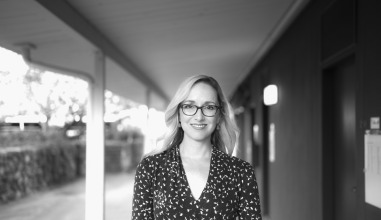
Breines says her favorite Rosenfield event was the lecture by historian Kathleen Belew titled, “White Nationalism and the 2024 Election.” “I learned so much about the origins of white nationalism in the United States, and how the Vietnam War helped spark many of these movements,” Breines says.
Breines also proposed and helped plan the upcoming symposium on academic freedom and campus free speech. “Being involved in that process has been one of the highlights of my time in the program,” she says. “I am very grateful to Professor Cohn for letting me propose many speakers for the symposium, and for consulting me throughout the planning process. I am proud to see Grinnell become more involved in the national conversation surrounding free speech on campus through this symposium.”
Nina Ranalli ’26, a political science major and global development studies concentrator from Chicago, has enjoyed being part of the committee and experiencing talks by prominent speakers. She also appreciates that the program encourages student participation and that there are no barriers in terms of cost, year, or major.
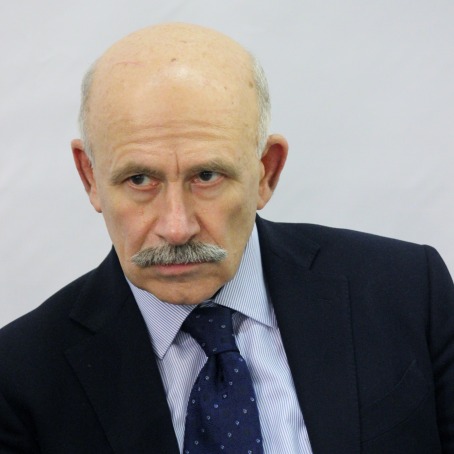
Ranalli says one of her favorite guests was Pavel Palazhchenko, former interpreter for Mikhail Gorbachev. “His talk was incredibly humorous,” Ranalli says. “Hearing about his experiences participating in arms negotiations and international diplomacy from the perspective of a translator emphasized the importance of cross-cultural communication, which gave me a deeper appreciation for the behind-the-scenes work that goes into global politics.”
A Tradition of Student Participation
The Rosenfield Program has evolved over the years, Cohn says, but the core mission has stayed the same. The program’s strong culture of student involvement is something that he is proud of and will continue to encourage.
“Certain things, I think, remain constant,” he says. “We are always going to be student facing. Strengthening the educational experiences of students will always be our top goal, whether it’s the speakers and their connection to the curriculum; whether it’s the chance to talk informally with speakers; whether it’s the internships; or whether it’s the study tours.”