


News News
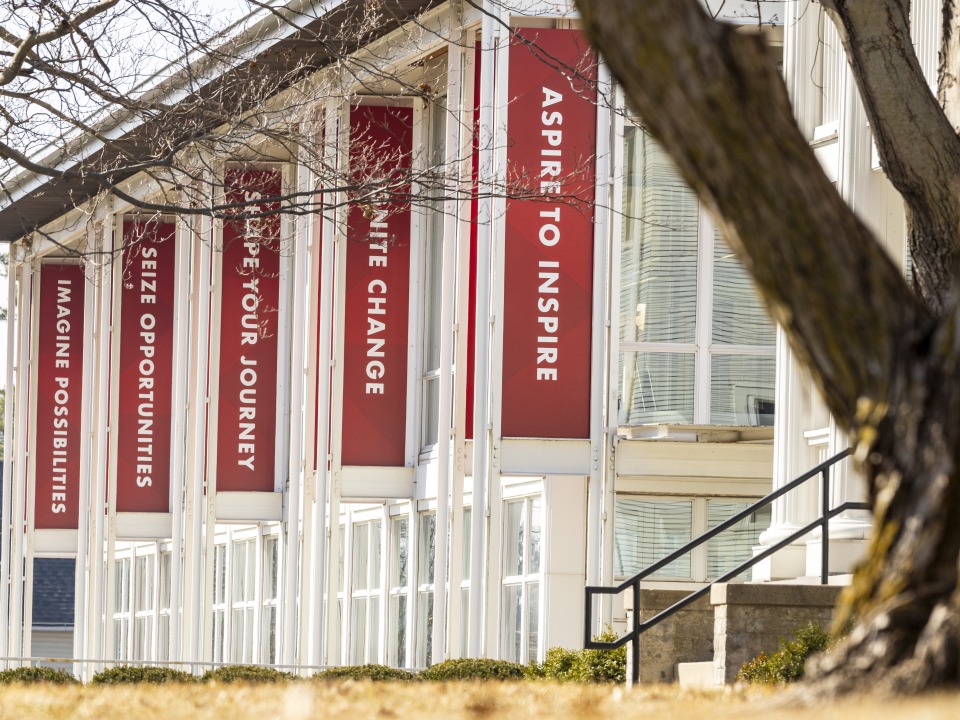
Nov 14, 2025
Kelly Harris of the Center for Careers, Life, and Service (CLS) has received the Founders Distinguished Service Award from the Midwest Association of Colleges and Employers (Midwest ACE).

Oct 31, 2025
John Thabiti Willis, the Kesho Scott Chair of African Diaspora Studies and Associate Professor of History, talks about what this department means for Grinnell and what inspires him beyond the classroom.
Oct 24, 2025
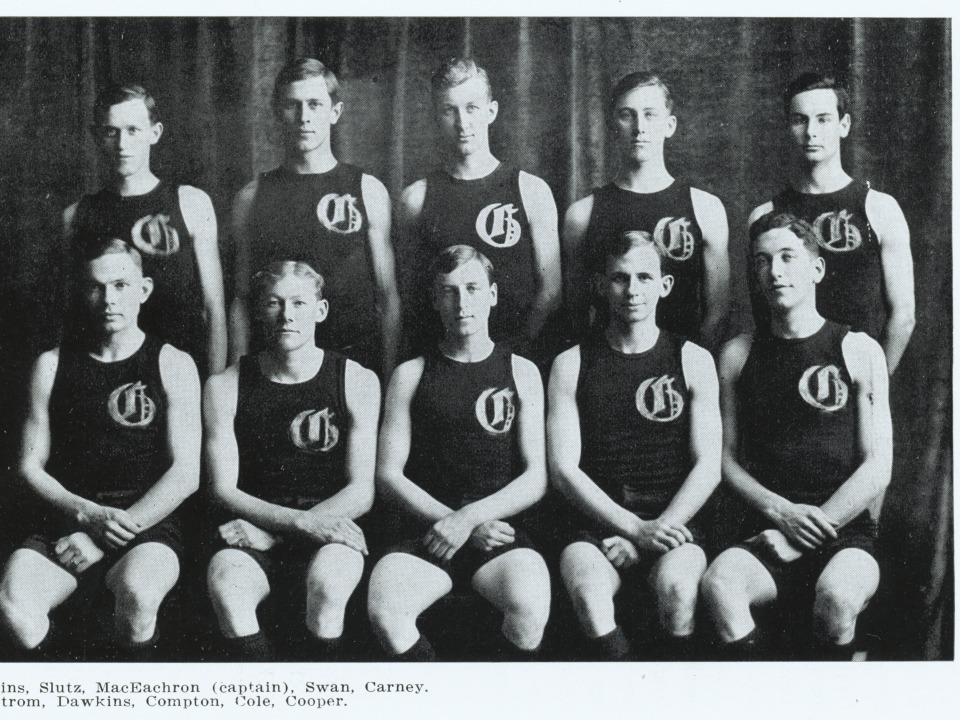
Harry Hopkins 1912 is well known for his work with President Franklin D. Roosevelt during the Great Depression and World War II. But did you know that at Grinnell, he was also a prankster and a star on the basketball team?
Oct 15, 2025
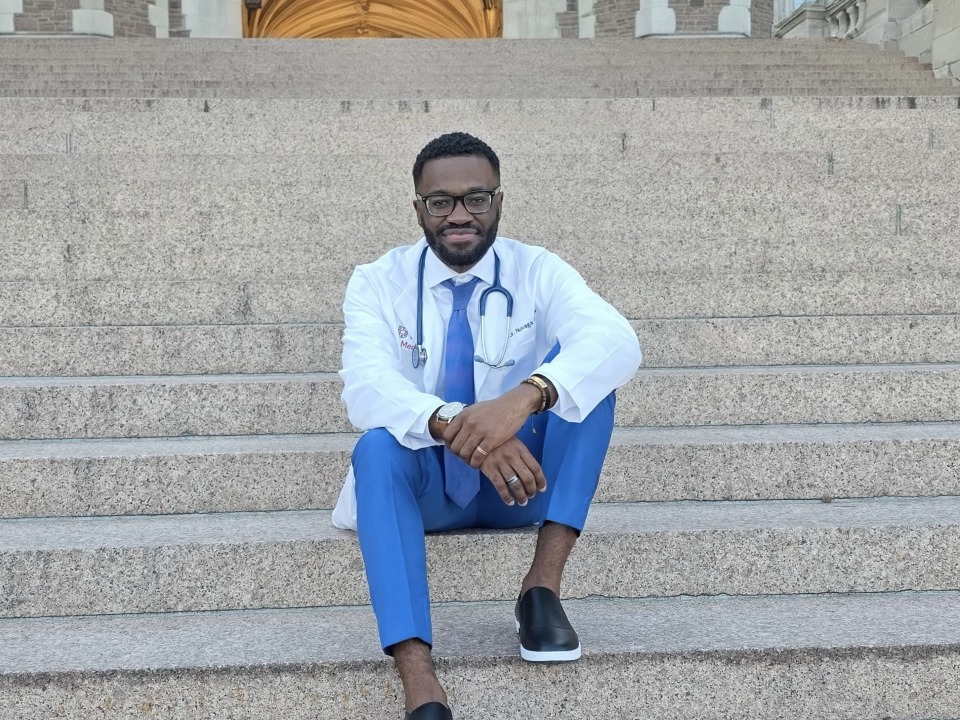
MJ Ketcha recently started medical school and reflects on the experiences that got him there.
Oct 14, 2025
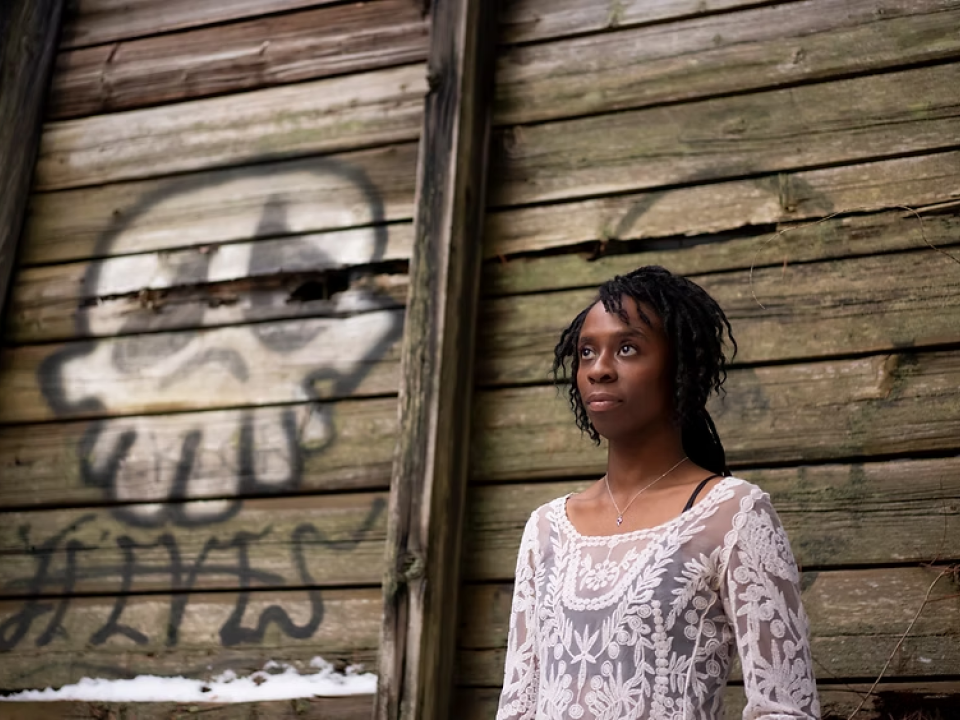
Maria Pinto was recently a guest of the English department’s Writers@Grinnell program and Grinnell’s first environmental writer-in-residence at CERA. She was also the first visitor to stay in the newly renovated CERA residence.
Oct 14, 2025
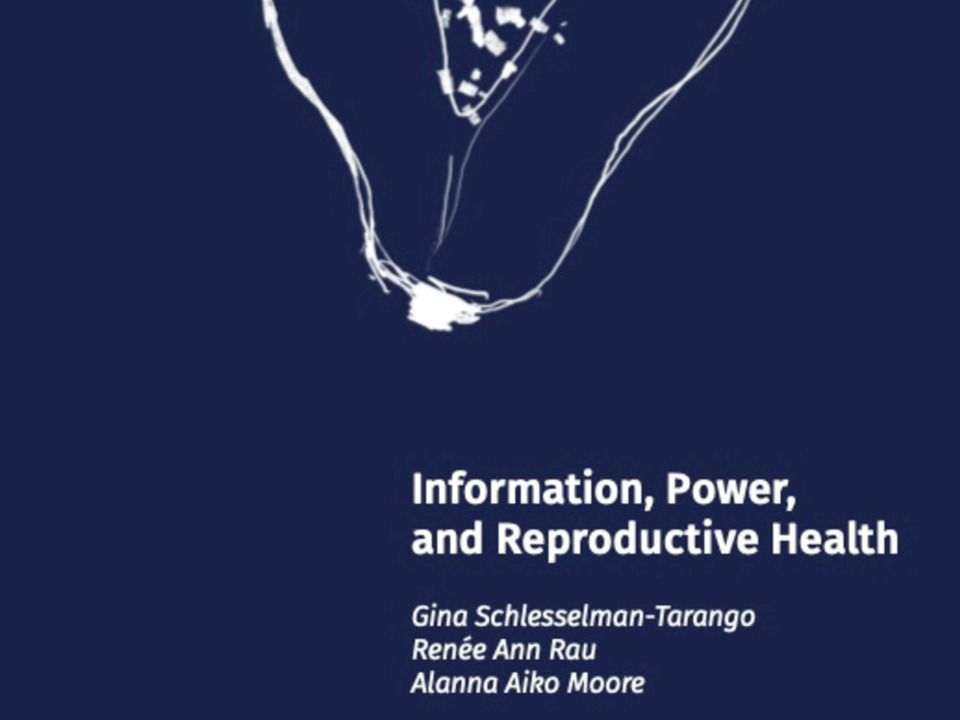
Gina Schlesselman-Tarango, an interdisciplinary librarian and scholar, co-edited the recently published book, Information, Power, & Reproductive Health.
Oct 7, 2025
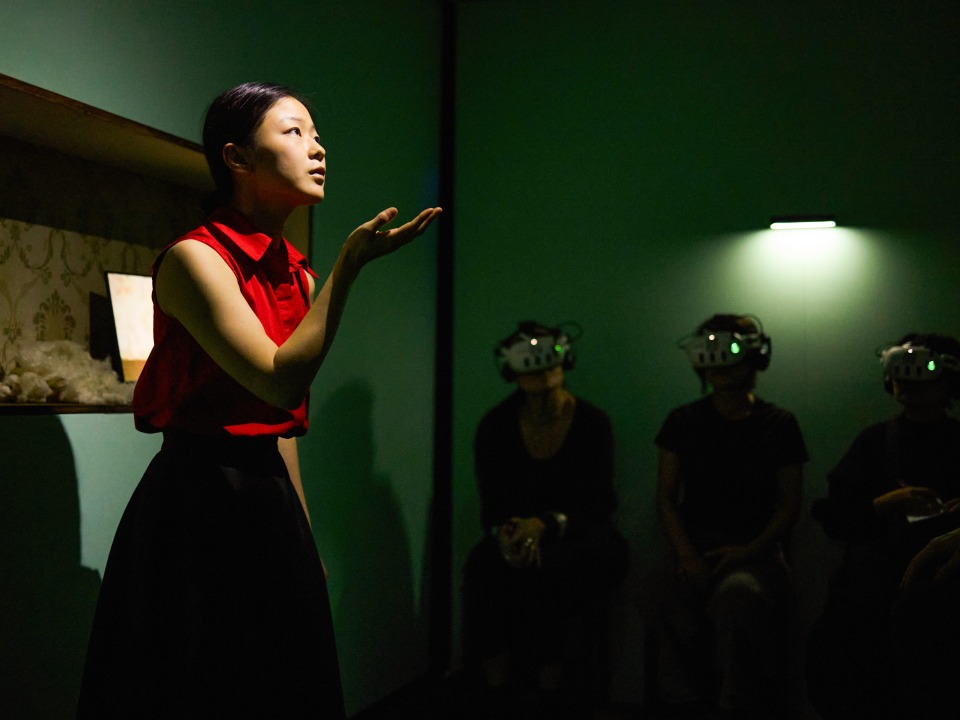
Professor Craig Quintero’s “Blur” is a new extended reality (XR) theatrical experience that combines live performance, motion capture, immersive technologies, and interactive storytelling, integrating the physical and the virtual in a seamless mixed-reality format.
Sep 30, 2025
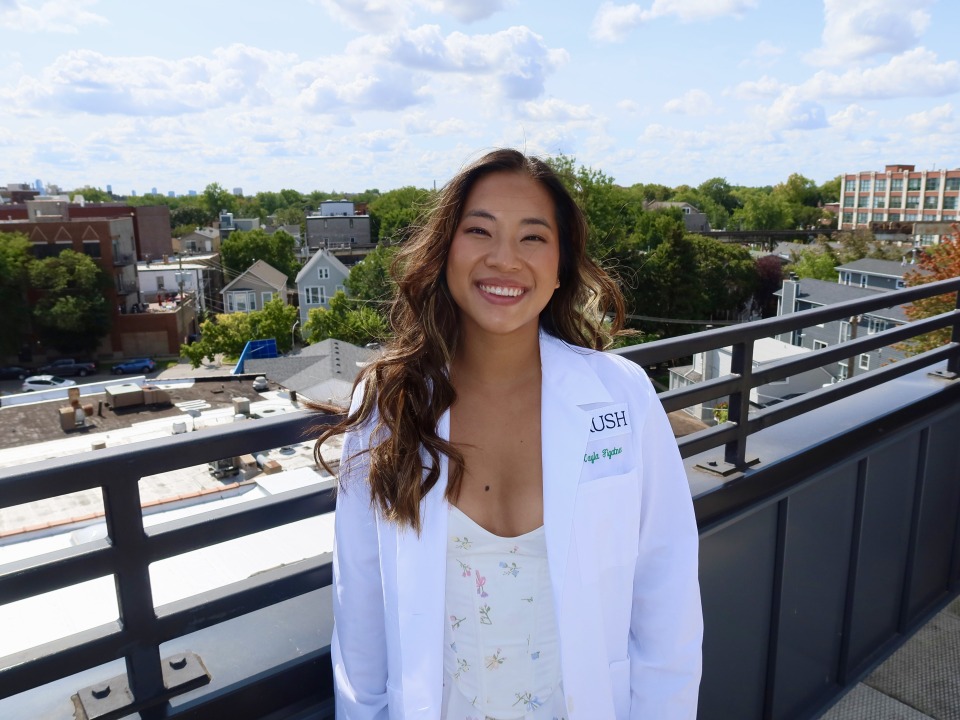
First-year medical student Kayla Figatner ’22 says that a Grinnell education is perfect for people considering a career health care.
Sep 23, 2025
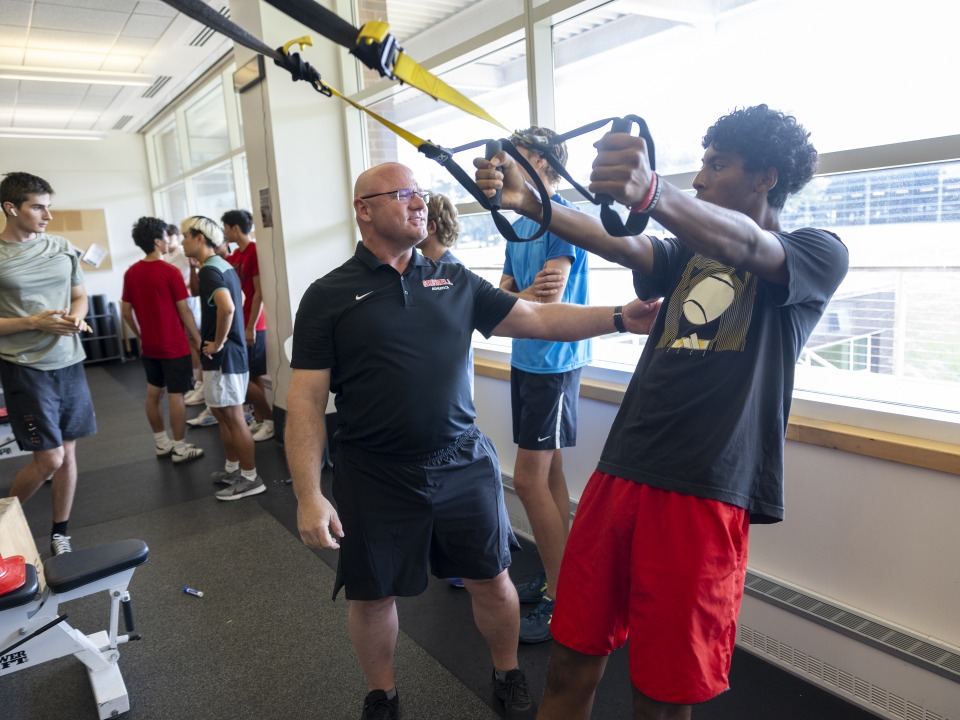
For the first time ever, Grinnell athletes can call on two strength and conditioning coaches, Steve Lewis and Maddy Griess, who can focus on this important training component.
News Stories

Our feeling was that if you are not connected to your place, you won’t take care of it. From this conversation emerged the idea of embracing our location and using it as a teaching and learning tool.

Helping recover that story felt urgent. The work was physically intense but meaningful.