
Mar 1, 2026
Brian Mitchell share info on his life and work over nearly three decades at the Grinnell College Bookstore.


Brian Mitchell share info on his life and work over nearly three decades at the Grinnell College Bookstore.

GCMoA exhibition highlights Sonja Sekula’s works through faculty research, student scholarship.

New York Times opinion columnist will visit campus for lecture titled: The Civil Rights Movement and the Reconstruction Amendments - in honor of MLK Day on Jan. 22.

The spirit of community that enlivens residence life at Grinnell College continues to expand, thrive, and grow.
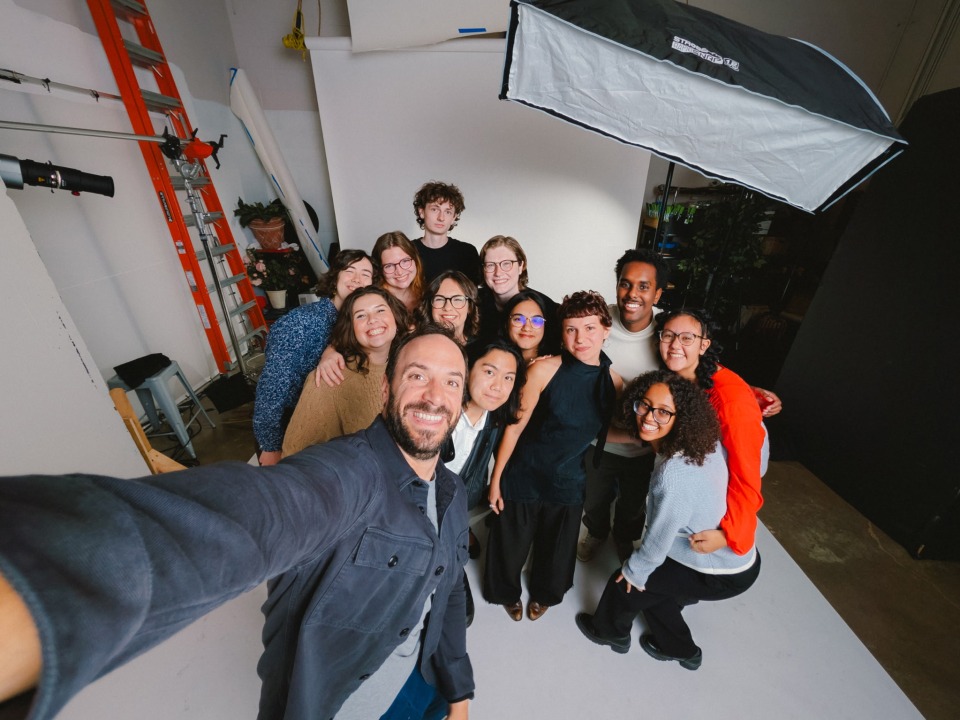
In October, 11 Grinnell students participated in a career-focused trip to Minneapolis and St. Paul, organized by staff in the Center for Careers, Life, and Service.

The Haitian Art Digital Crossroads (HADC) is creating a multilingual, community-centered digital platform that rethinks how Haitian art is documented, interpreted, and shared.

For more than a year, about 100 Grinnell students have been experiencing apartment-style living at Renfrow Hall. With a year of experience behind us, how is it going?

Kylie Snell ’26 spent the summer as a market research intern for the Walt Disney Corporation, learning how the magic is made at one of the most recognizable companies in the world.

For student-athletes living in Renfrow Hall, apartment-style living provides an opportunity to deepen the bonds they’ve already forged with teammates through their sport.

The Rosenfield Program in Public Affairs, International Relations, and Human Rights prepares students for a life of civic engagement by connecting the Grinnell community to the social and political issues facing the world beyond campus.

Our feeling was that if you are not connected to your place, you won’t take care of it. From this conversation emerged the idea of embracing our location and using it as a teaching and learning tool.

Helping recover that story felt urgent. The work was physically intense but meaningful.
To accept the use of cookies and continue on to the site, click "I Agree." For more information about our use of cookies and how to opt out, please refer to our website privacy policy.