
Jul 2, 2020
Acting President Anne Harris answers many questions in a video about the coming Fall 2020 term.


Acting President Anne Harris answers many questions in a video about the coming Fall 2020 term.

Acting President Anne Harris thanks Grinnell College community members for coming together in new ways to advance educational excellence and serve the common good under some of the most challenging circumstances many have ever experienced.

Grinnell College Libraries has purchased the World Cinema Collection featuring the best of silent-era films, masterpieces from the mid-20th century, and contemporary films from around the world.

Humor, once thought a silly topic for research, is now widely studied and presented as a special topics course by Janet M. Gibson, professor of psychology.

President Kington shares his reflections of his time at Grinnell and expresses appreciation for the trust, support, and graciousness that have been given from Trustees, faculty, staff, alumni, community members, and most of all our students and their families.

Grinnell athletic teams will not compete against other colleges during the first fall term.
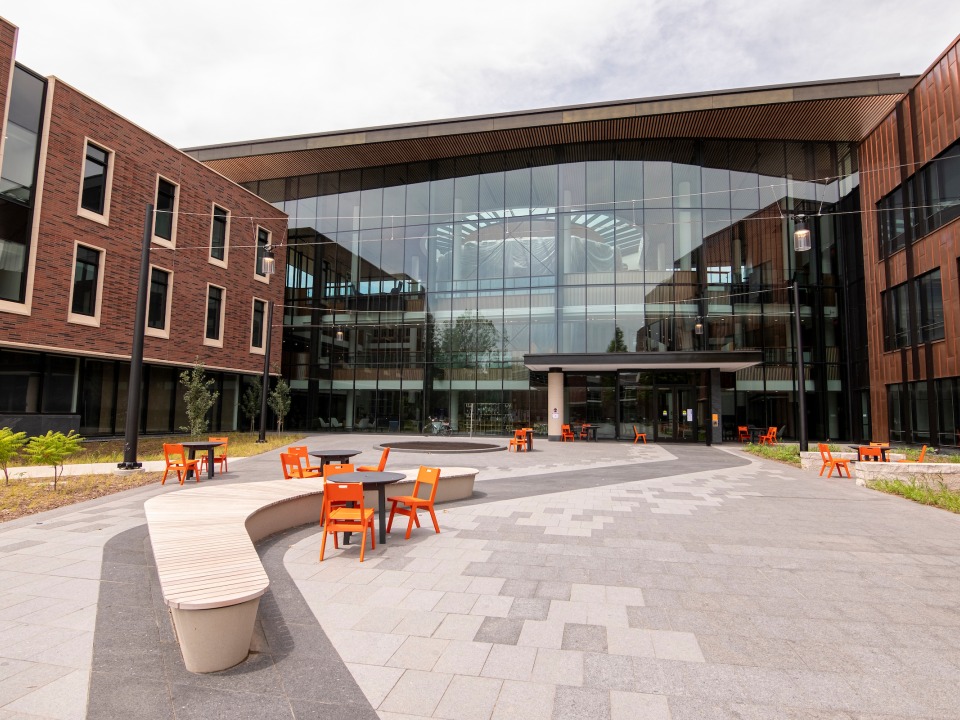
A picturesque outdoor plaza between the HSSC and Noyce Science Center has been renamed the Raynard S. Kington Plaza as a tribute to the president’s leadership and accomplishments during the past decade.
As a member of Grinnell’s senior leadership team Rivera will work closely with the President on institutional planning, developing short- and long-range strategies, policy development, and problem-solving. Dr. Rivera will start her new role here on July 1, 2020.
As part of our Juneteenth commemoration this year, we will create the opportunity to watch the documentary “I Am Not Your Negro,” based on James Baldwin's unfinished manuscript Remember This House.
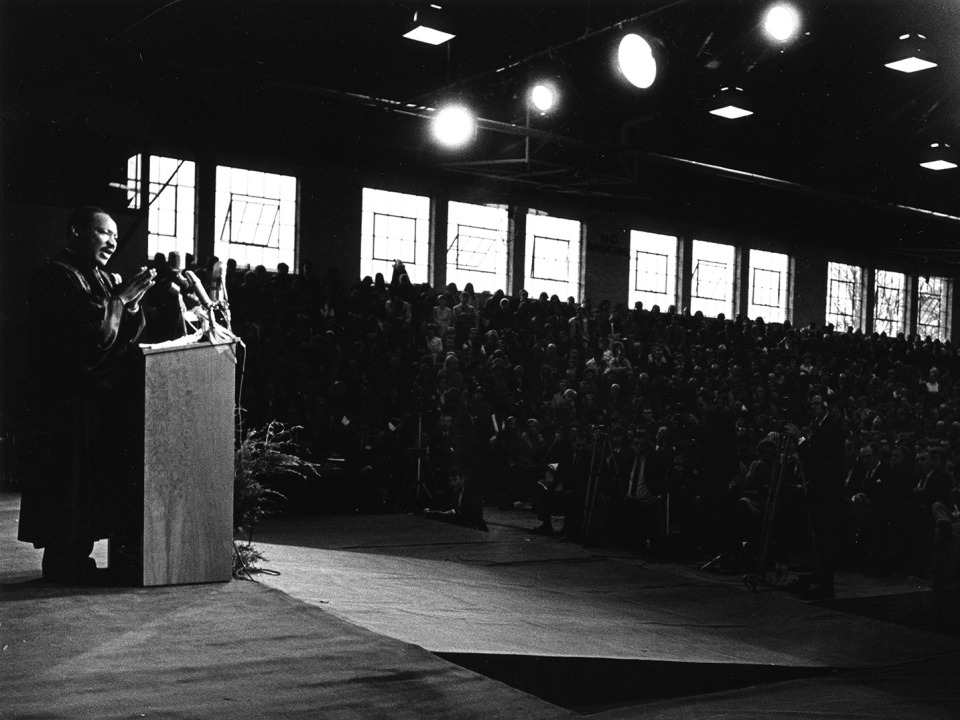
Grinnell College has established a racial justice plan of action, which includes direct contributions, community donation matching, sponsoring workshops, and forming coalitions.

If you’re interested in making the world a better place, Introduction to Peace and Conflict Studies is a class where you’ll develop flexibility and nimbleness to pursue your vision.

Faculty are not only mentors and advisers — they’re role models for how to navigate classes, careers, and life.

The Grinnell College Libraries has been given temporary access to a selection of free scholarship from Project Muse publishers on the history of structural racism in the United States and how the country can realize anti-racist reform.

For the 2020-21 admission cycle Grinnell College will adopt a test optional admission policy.
To accept the use of cookies and continue on to the site, click "I Agree." For more information about our use of cookies and how to opt out, please refer to our website privacy policy.